Posted
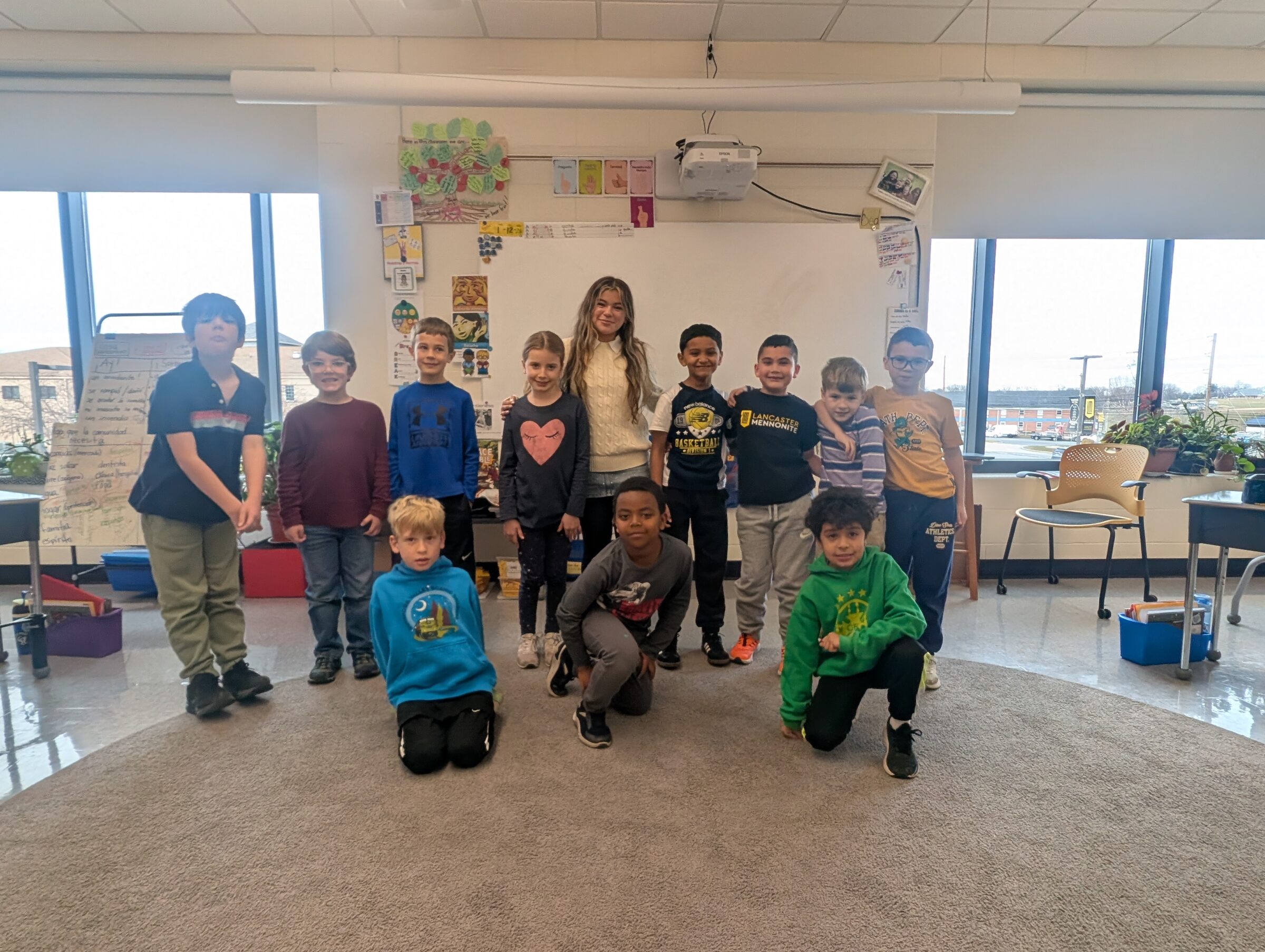
During the first quarter of the 2025–26 school year, Lancaster Mennonite High School peer tutors stepped into elementary classrooms across campus, offering support, encouragement, and connection. While their time in classrooms concluded at the end of the semester this week, the impact of their presence continues to shape students, teachers, and the peer tutors themselves.
From PreK to 4th grade, peer tutors served as helpers, role models, and relational bridges—living out Lancaster Mennonite School’s commitment to Christian faith, service, and community by learning and growing together across grade levels.
What Peer Tutors Do
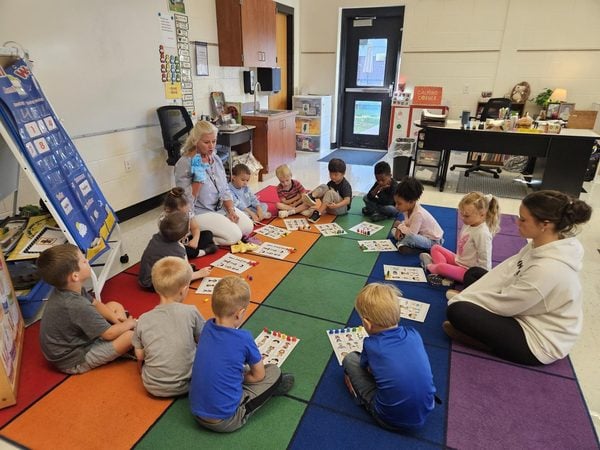
High school peer tutors support elementary classrooms in a variety of meaningful ways, adapting to the needs of each teacher and group of students. Their work ranges from academic support to classroom preparation and relationship-building and playing.
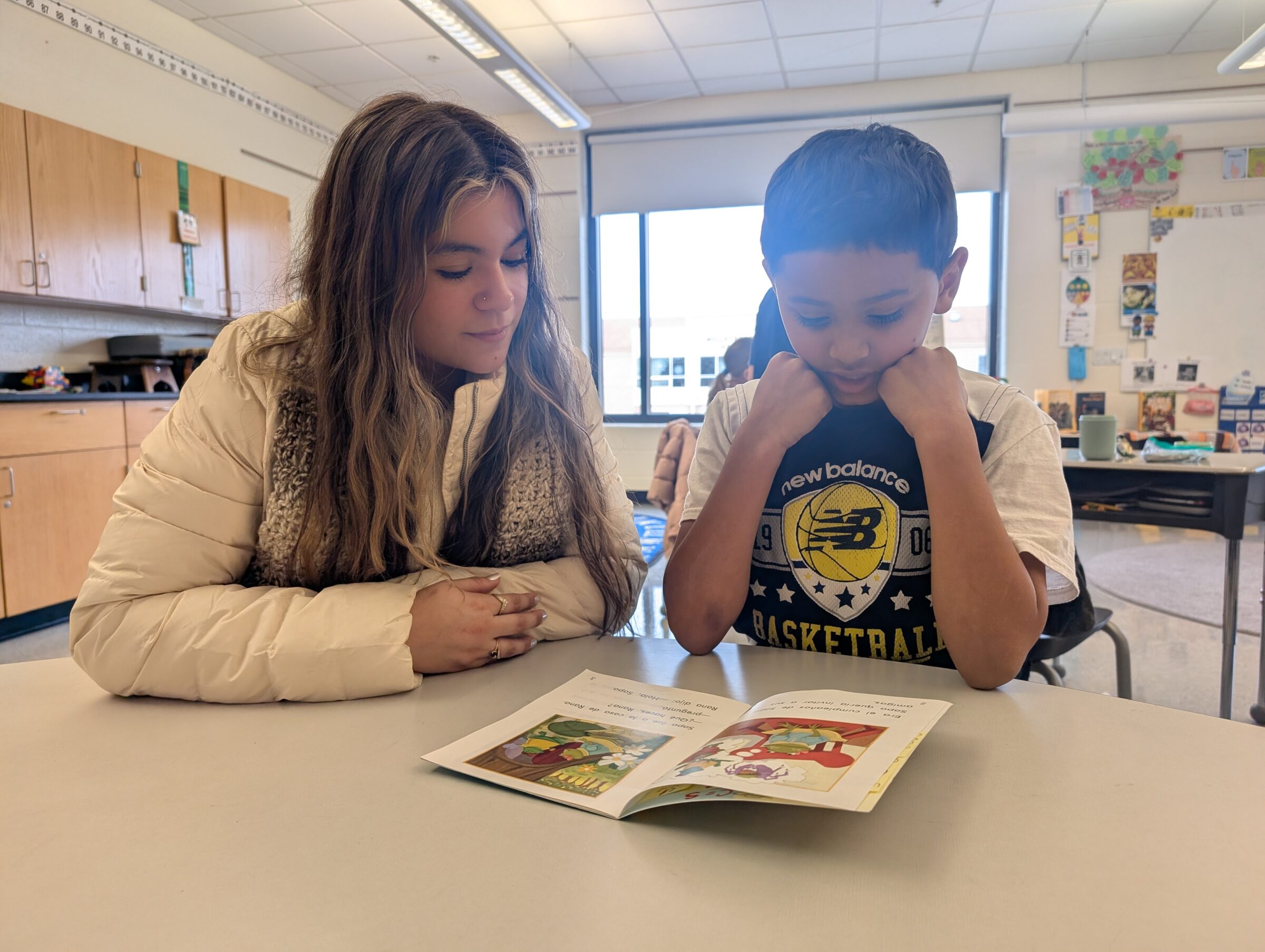
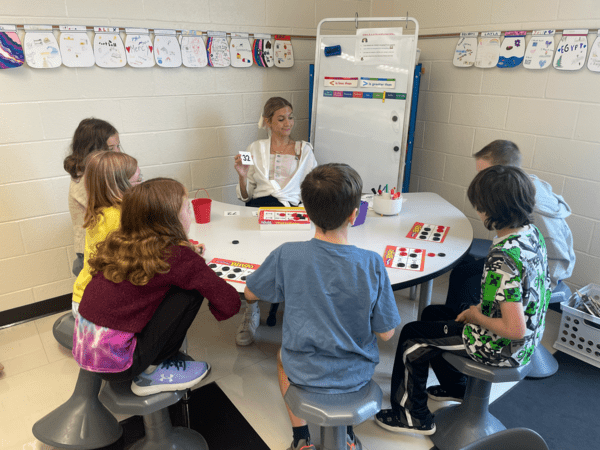
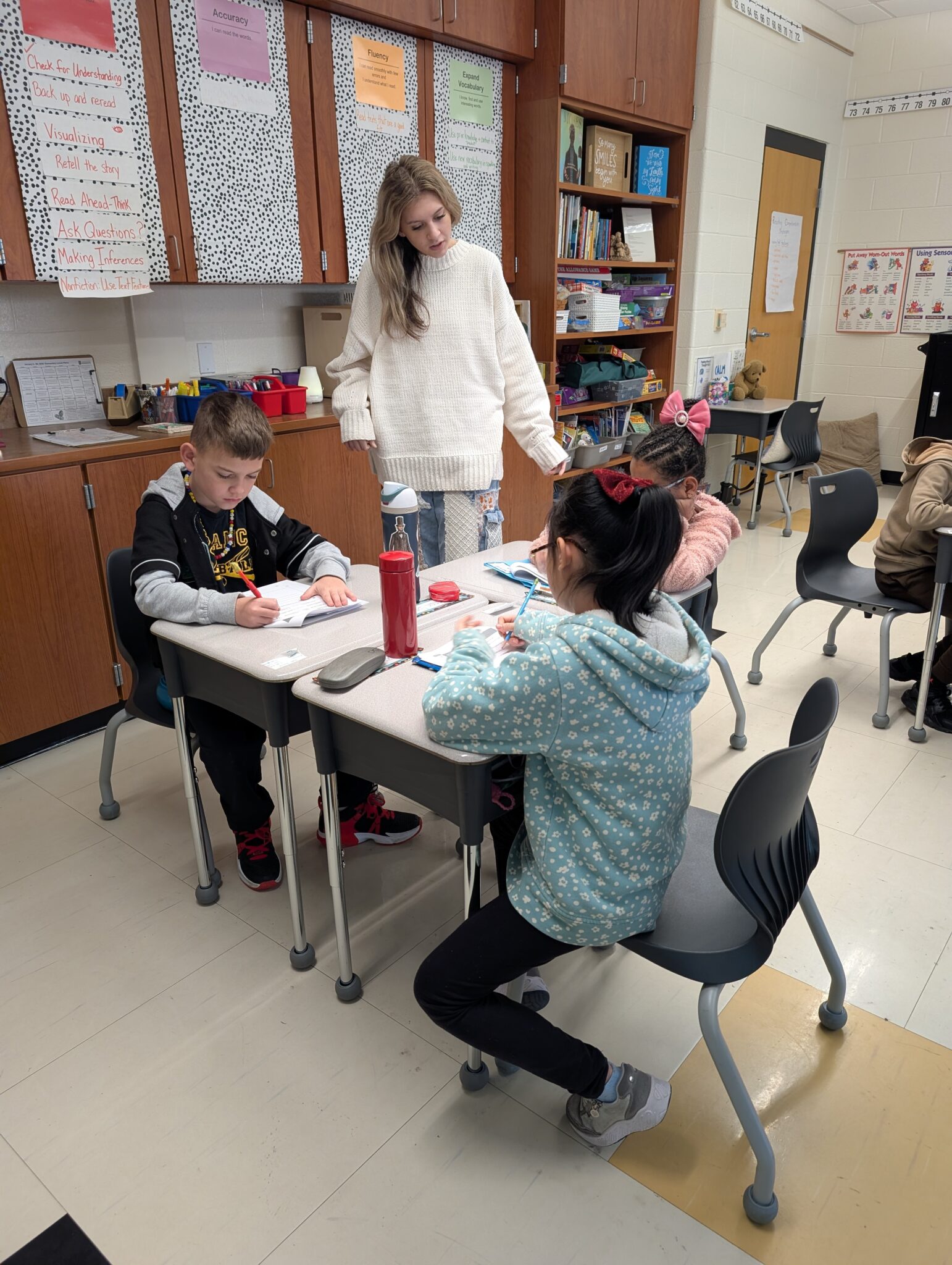
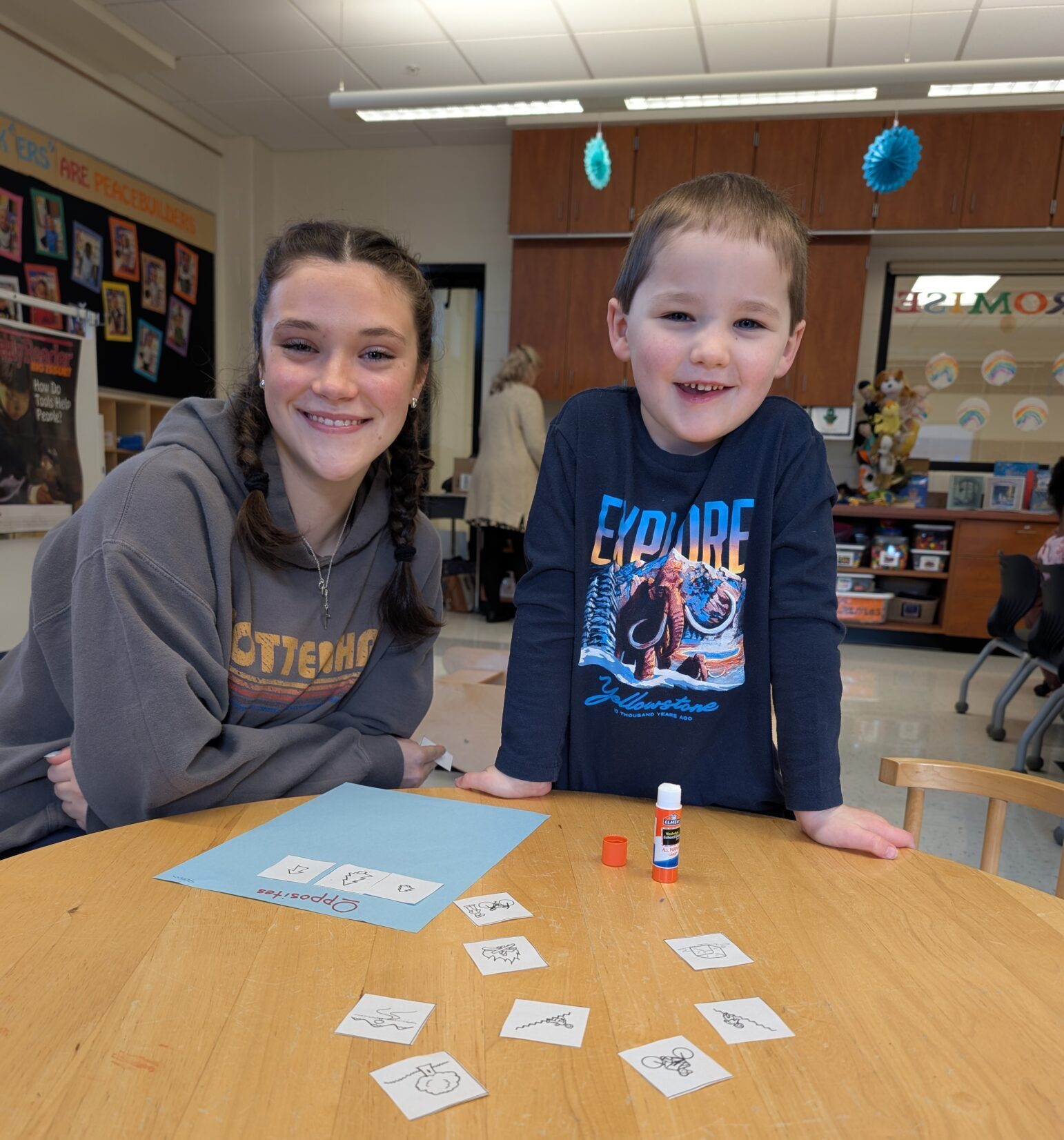
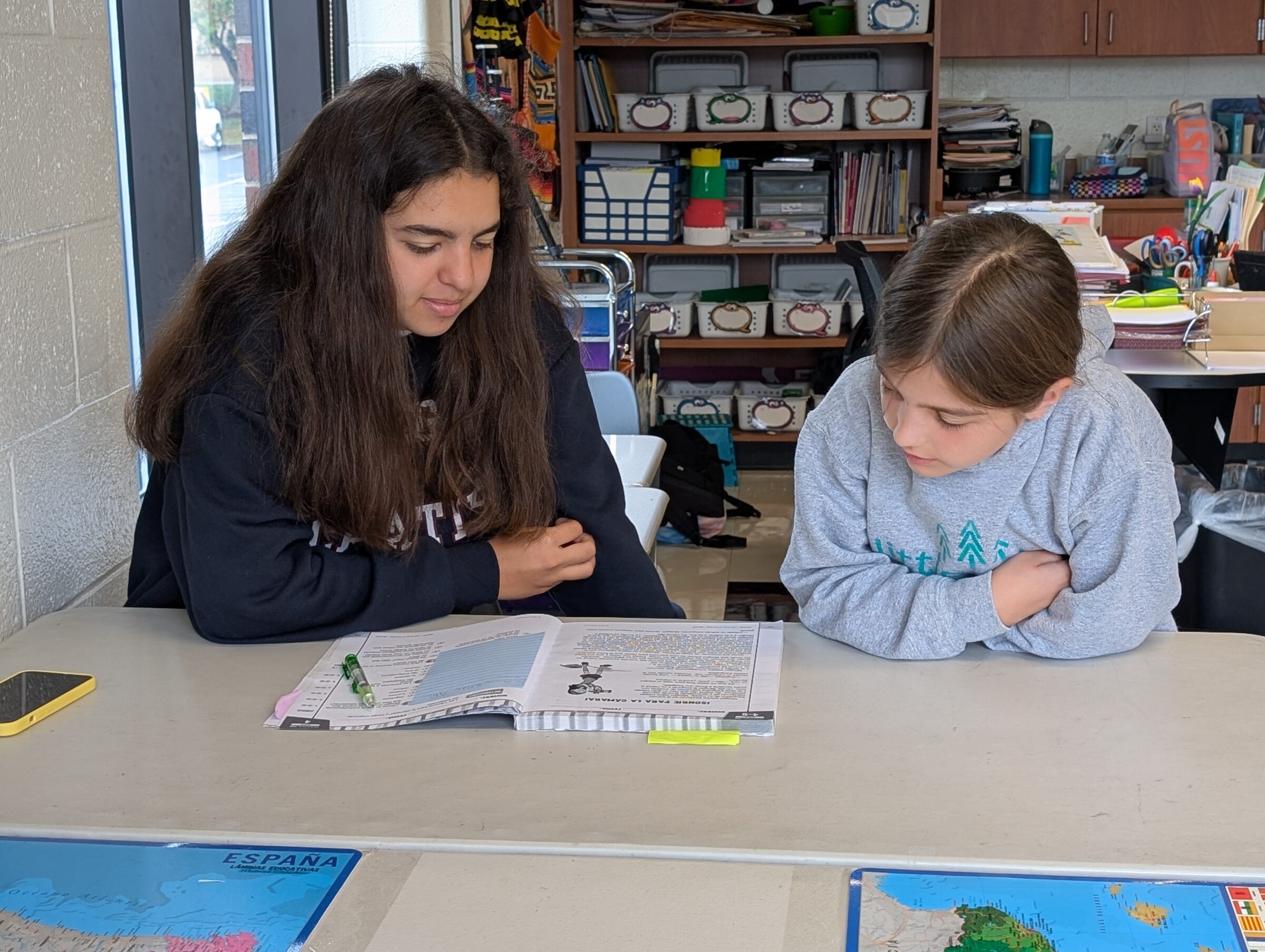
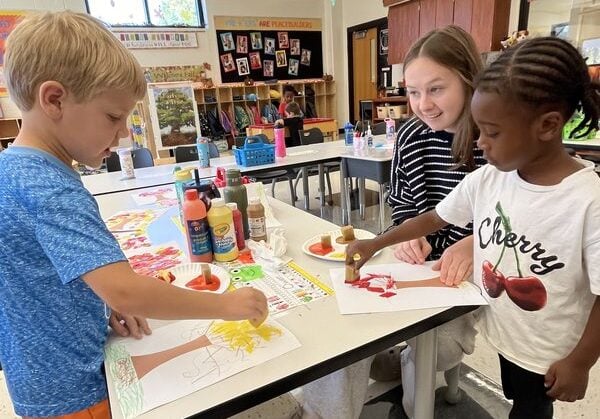
Peer tutors assist with one-on-one instruction, helping students with reading, writing, math facts, Spanish pronunciation, and classroom activities such as coloring, cut-and-paste projects, and worksheets. They also help prepare materials for teachers, organize supplies, and support daily routines like circle time and transitions.
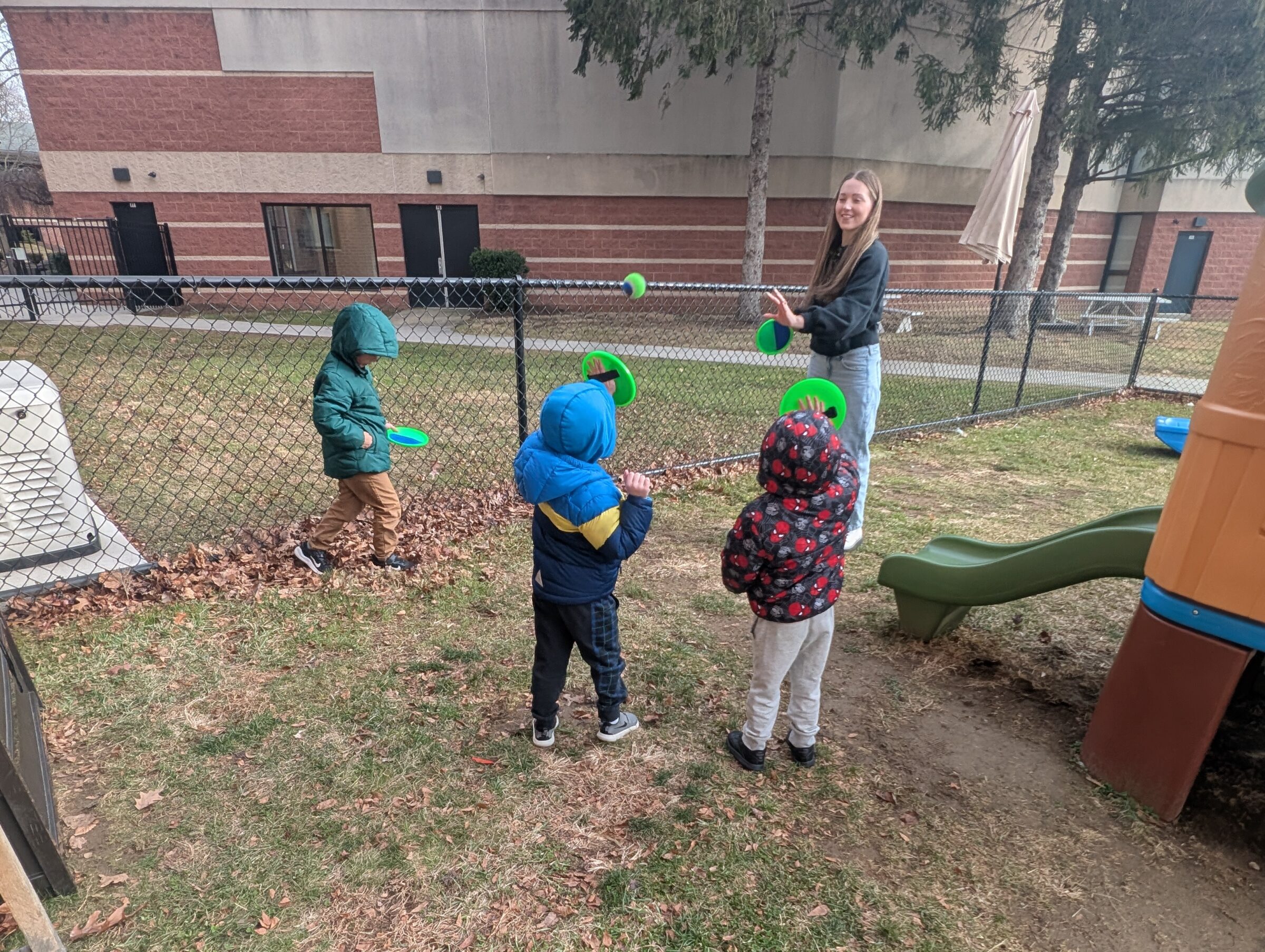
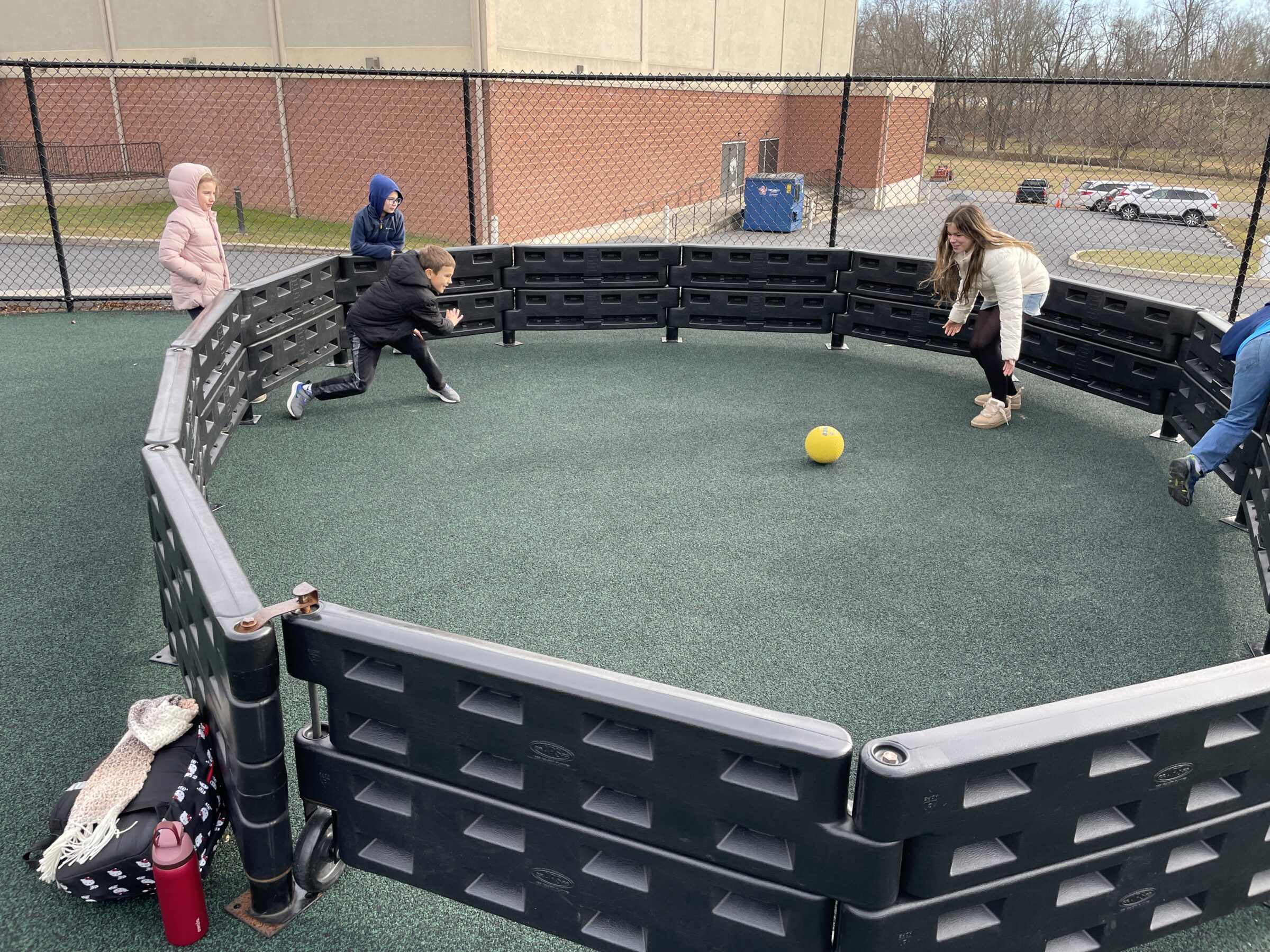
In Spanish Immersion classrooms, peer tutors use their language skills to engage students in conversation, reinforce vocabulary, and model fluent Spanish in an authentic and encouraging way. In PreK classrooms, tutors help with curriculum prep while children nap and then join them in play, reading, and outdoor activities once they are awake.
A Mutually Beneficial Experience
For high school students, peer tutoring is more than a schedule block—it is an opportunity to explore interests, grow in responsibility, and practice servant leadership.
Emma Kauffman ’27, who served as a peer tutor in a PreK classroom, shared that being with the younger students was “a nice break in the day and more relaxed than other classes.” She especially enjoyed building relationships that extended beyond the classroom, adding, “I enjoy seeing them around campus—we wave and say hi to each other!”
For Jules Oberle ’26, who supported a 4th grade English class, peer tutoring provided a hands-on complement to her academic studies. Currently enrolled in a dual-enrollment Educational Psychology course through Messiah University, Jules appreciated being able to connect theory with practice. “It’s been really cool to be with kids alongside the curriculum I am learning and make correlations with what I’m learning in my class to this real-life experience in the classroom,” she shared. Her favorite part of the experience was relational: “I enjoy forming relationships with the students—it’s really special.”
Ava Kreider ’26 chose to become a peer tutor during a free period as a way to challenge herself to try something new. After assisting students with writing and helping prepare classroom materials, she reflected that the experience gave her a deeper appreciation for teachers and the important work they do every day.
Across classrooms, peer tutors described the joy of connecting with younger students, learning patience, and growing in empathy—key elements of Lancaster Mennonite’s call to follow Jesus through humility, service, and care for others.
Supporting Students Academically and Relationally
Elementary teachers consistently highlight the value peer tutors bring to their classrooms, both academically and emotionally.
Mrs. Lanas, a PreK teacher, shared her appreciation for the additional support and presence peer tutors provide, saying, “Our high school peer tutors are so great—we love having them here!”
In Spanish Immersion classrooms, peer tutors like Sofia Wolgemuth ’28 and Grace Barrientos ’26 brought language skills and cultural connections that enriched student learning. Sofia, an exchange student from Spain, valued the opportunity to support students in speaking Spanish while building relationships in a setting she described as both relaxing and meaningful. Grace, a native Spanish speaker interested in pediatrics as a future profession, enjoyed helping students with reading, writing, and pronunciation, as well as connecting with them during recess and play.
Mrs. Kaczor, a 2nd grade Spanish Immersion teacher, emphasized the broader impact peer tutors have on elementary students. “With a peer tutor, elementary students get one-on-one attention when they read,” she shared. “It is motivating for them as well.” She also noted how peer tutors support progress monitoring, math fact fluency, and spelling practice.
Beyond academics, the relationships formed are deeply meaningful. “While going to lunch or gym class, elementary students’ faces light up when they see their peer tutor,” Mrs. Kaczor said. “They recognize a face in the crowd of high schoolers and that makes them feel so proud. They really look up to and admire their older friends.”
Living Out Faith and Community
At Lancaster Mennonite School, learning is rooted in a Christ-centered vision that values relationships, service to others, and whole-person growth. The peer tutoring program reflects this vision by creating space for students to care for one another across ages, cultures, and experiences.
Through peer tutoring, high school students practice patience, kindness, and leadership, while elementary students experience encouragement, belonging, and support. These everyday moments—reading together, playing at recess, waving across campus—become powerful expressions of faith and care in action.
Though the first-quarter peer tutoring placements have ended, the relationships built and lessons learned continue to ripple across campus. Peer tutoring at Lancaster Mennonite School is a meaningful example of how students are invited to seek Jesus wholeheartedly by serving others and learning together as one community.